
CROSSROADS TO WELLNESS
  • Home
  • Therapists
  • FEES/PAYMENT
    • Insurance
    • Service Fees
    • Financial Assistance
  • Services
    • Captain Your Story
  • Schedule Your Session
  • Waitlist Information
  • Join Our Team!
  • Contact
  • Client Portal
    • Workshops
Crossroads to Wellness

Book Your Appointment Now!

Schedule Your Session Here
Picture
Crossroads to Wellness
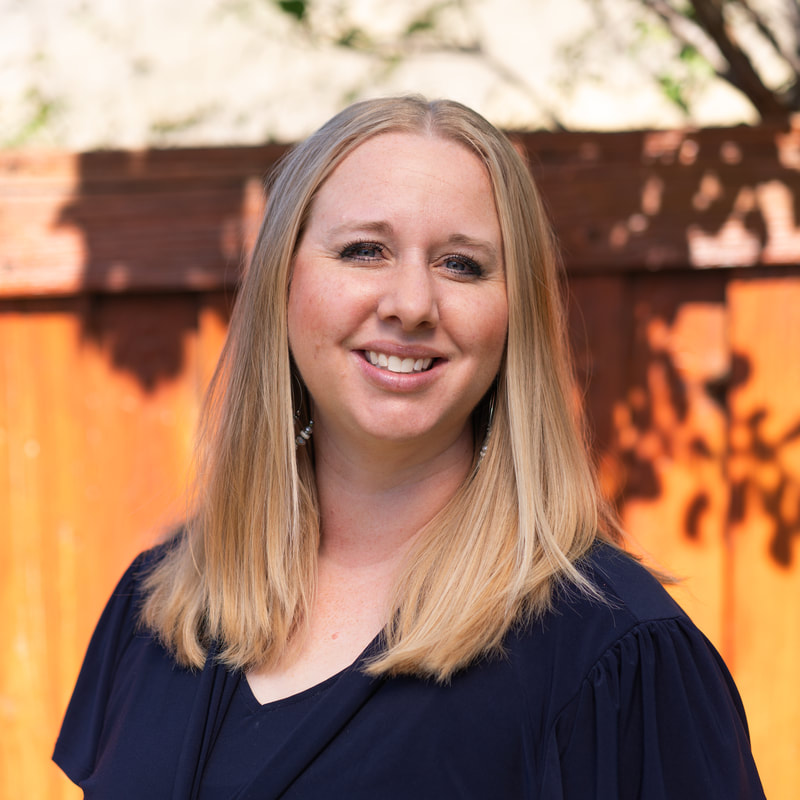
Now accepting new clients Brittney Thompson, CSW, smiling in a welcoming office.
Featured Therapist

Meet Brittney Thompson, CSW

TF-CBT Trained • Youth, Teen & Young Adult Therapy • Trauma-Informed • IFS-Informed

Brittney brings experience from high-intensity therapeutic settings and has supported youth, adolescents, and young adults since 2018 with concerns including suicidality and maladaptive coping.

She is passionate about serving minority communities—including LGBTQ+ individuals, women, post-adoption youth, and culturally diverse clients—and emphasizes safety, connection, and empowerment.

Trauma-informed care LGBTQ+ affirming Family & attachment TF-CBT IFS-informed
Book a session with Brittney Learn more
Accepted insurance:
Cigna, SelectHealth, PEHP, EMI, United Healthcare, UMR, DMBA, Aetna
Learn more about this in My Story Matters
Trauma Therapy That Moves You Forward

Captain Your Story at
Crossroads to Wellness

A guided, trauma-informed framework (from My Story Matters) that blends neuroscience, narrative work, and practical tools—so you can stop feeling stuck and start reclaiming your life.

  • Proven framework, lasting transformation
  • Practical tools that work in real life
  • Clinicians with lived experience & top-tier training
Learn about Captain Your Story Schedule a Session
  • Collaborative pacing, clear steps, and tools you can practice between visits.

  • Trauma-aware care that centers safety, choice, and empowerment.

  • Forward-moving therapy that helps you live the life you want—not one defined by your past.

OUR mISSION

At Crossroads to Wellness, we’re here to support you and your family on your journey to healing and wellness. Our mission is to help you thrive—creating a life of intention. We do this by offering compassionate, high-quality care in a space where you’ll feel truly welcomed and valued. Our team of skilled clinicians works collaboratively with you, always guided by the highest professional and ethical standards. Whether you’re starting your journey or continuing it, we’re honored to walk alongside you every step of the way.
​

INDIVIDUAL THERAPY
CHILD/PARENT ​RELATIONAL THERAPY
Picture
Picture
VIEW ALL SERVICES

THE TEAM

Picture
​Bobbie Pugh
Picture
​​Beth O'Brien
Picture
​Liz Leithead
Picture
Brittney Thompson
Picture
Jill Burgon
get to know your therapist

Click here to join our team!

​FREQUENTLY ASKED QUESTIONS

FAQS
What Can I Expect from Therapy?
Therapy is a collaborative process tailored to your unique needs and goals. During your sessions, you can expect to:
  • Build a Safe Relationship: Your therapist will provide a supportive, nonjudgmental space where you can openly share your thoughts and feelings.
  • Set Goals Together: You’ll work with your therapist to identify areas you'd like to focus on and create a plan for positive change.
  • Learn and Grow: Therapy often involves developing new skills, exploring emotions, and gaining insights to help you navigate challenges.
  • Pace That Fits You: Your therapy journey will move at a pace that feels comfortable for you, with respect for your boundaries and readiness.
Our therapists are trained in trauma-informed and evidence-based modalities, ensuring you receive effective support for healing and progress. Every person’s experience in therapy is different, but the goal is always to empower you, help you heal, and support you in creating the life you want.

​
Do you offer discounts
Yes, we offer both a prepaid discount and a cash discount. For more details on these options, please refer to our Fees/Services link. If you have any questions or need more information about discounts, feel free to reach out, and we’ll be happy to assist you!
​
Why is There a Cancellation Fee?
We have a cancellation fee in place to ensure that therapists’ time is respected and to help keep our schedule running smoothly. When an appointment is missed or canceled with short notice, it prevents other clients from scheduling that time. The cancellation fee helps cover the costs associated with the missed appointment and allows us to continue providing quality care to everyone.

Do You Accept Insurance?
Yes, we accept insurance! To help you determine if we are in-network with your insurance provider, please follow the link to verify the insurances we currently work with. If you have any questions or need assistance with insurance coverage, feel free to reach out to our office, and we’ll be happy to help!

Fees & Payments


Is Telehealth an Option?
Yes, we offer telehealth services! We understand that sometimes in-person sessions may not be convenient or feasible, so we provide secure, confidential online therapy sessions to ensure you can receive the support you need from the comfort of your own home. If you're interested in telehealth, please let us know, and we'll be happy to discuss how it works and help you get started.
What Can I Expect from Therapy?
Therapy is a collaborative process tailored to your unique needs and goals. During your sessions, you can expect to:
  • Build a Safe Relationship: Your therapist will provide a supportive, nonjudgmental space where you can openly share your thoughts and feelings.
  • Set Goals Together: You’ll work with your therapist to identify areas you'd like to focus on and create a plan for positive change.
  • Learn and Grow: Therapy often involves developing new skills, exploring emotions, and gaining insights to help you navigate challenges.
  • Pace That Fits You: Your therapy journey will move at a pace that feels comfortable for you, with respect for your boundaries and readiness.
Our therapists are trained in trauma-informed and evidence-based modalities, ensuring you receive effective support for healing and progress. Every person’s experience in therapy is different, but the goal is always to empower you, help you heal, and support you in creating the life you want.
How Can I Know if This is the Right Therapist for Me?
Choosing the right therapist is an important decision, and it's essential to feel comfortable and understood. Here are a few ways to assess if a therapist is the right fit for you:
  • Initial Comfort: During your first session, take note of how comfortable you feel with the therapist. A good therapist will create a safe, nonjudgmental space where you can openly share your thoughts and feelings.
  • Communication Style: A strong therapeutic relationship is built on open, respectful communication. You should feel heard, understood, and supported by your therapist.
  • Approach and Specialties: Consider whether the therapist’s approach aligns with your needs. Our therapists are trained in trauma-informed care and evidence-based practices, which can support a range of challenges, including anxiety, trauma, mood disorders, and more.
  • Trust and Progress: Over time, you should feel a sense of progress and trust in the therapeutic relationship. It’s important to feel like you’re moving toward your goals and that your therapist is a reliable partner in that journey.
If you're unsure, don't hesitate to ask questions about their experience, therapeutic approach, and how they can support your specific needs. A good fit is essential to creating meaningful change, and we’re here to help guide you on your path to healing.
What is the Length of Time to Be in Therapy? How Do I Know I Am Finished? What Happens When I'm Ready to Be Done?
The length of time in therapy varies for each person, depending on your goals, challenges, and progress. Some people may benefit from short-term therapy, while others may choose to engage in therapy for a longer period. It’s important to remember that therapy is a personal journey, and the timeline is unique to you.

You’ll know you’re making progress when you begin to feel more equipped to manage challenges, achieve your goals, and experience a sense of healing or growth. Your therapist will work with you to assess your progress and help determine when it’s a good time to begin transitioning out of therapy.

When you feel ready to be done, we will work together to create a plan for ending therapy in a way that supports your continued well-being. This may include discussing strategies for maintaining progress, scheduling follow-up sessions if needed, or identifying other resources to support your growth moving forward.
​

Remember, therapy is about what feels right for you, and you can discuss your readiness to end therapy with your therapist at any time. Your therapist will guide and support you through the process, ensuring you feel confident and prepared for the next steps.
How Can I Bring Up Challenges I Am Having with Therapy/Therapist?
It’s important to feel comfortable and heard in therapy, and if you’re experiencing challenges, we encourage you to share them openly with your therapist. Here are some ways to address any concerns:
  • Be Honest and Direct: Your therapist is there to support you, and they want to hear about your experience. If something isn’t working for you, share it openly, whether it’s related to the approach, communication, or any discomfort you may be feeling.
  • Timing is Key: You can bring up challenges at the beginning or end of a session, or whenever feels right for you. The goal is to create a conversation that helps you feel supported in your process.
  • Collaborate on Solutions: Therapy is a collaborative process, and your therapist will work with you to make any adjustments necessary to ensure your comfort and progress.
Remember, expressing concerns is a normal part of the therapeutic process, and it’s an opportunity for growth and improvement in your work together. Your therapist is there to help guide you through these challenges and find solutions that work for you.
What is the Length of Time for Sessions?
Sessions typically last between 50 to 55 minutes. This provides enough time to explore your thoughts and concerns, work on your goals, and discuss any progress or challenges. If you have any specific time concerns, feel free to discuss them with your therapist, as we aim to accommodate your needs within our standard session length.
Do Crossroads Therapists Prescribe Medication or Do Psych Testing?
Currently, our therapists do not prescribe medication or conduct psychological testing. However, we work closely with trusted partners in the community who specialize in these areas. If medication or testing is recommended as part of your treatment, we will be happy to provide you with a referral to one of our trusted professionals who can assist you. Our goal is to ensure you receive comprehensive care that supports your healing and wellness journey.
How Do I Know if Therapy Is for Me? Why Therapy Rather Than Friends?
Therapy can be a valuable tool if you’re facing challenges that feel overwhelming, if you’re seeking personal growth, or if you want a safe, supportive space to explore your thoughts and feelings. You might find therapy helpful if:
  • You’re dealing with emotional or psychological struggles, such as anxiety, trauma, grief, or depression.
  • You’re feeling stuck or unsure how to move forward in certain areas of your life.
  • You want professional guidance to help navigate complex life situations or relationships.
  • You’re looking to develop new coping strategies, build emotional resilience, or improve self-awareness.

While friends and family can offer support, therapy provides unique benefits. A therapist is a trained professional who can provide objective, confidential guidance, grounded in evidence-based techniques. Unlike friends, a therapist’s role is to focus solely on your well-being, offering tools, strategies, and perspectives that may not come from your personal circle. Therapy is a space where you can address deeper, more challenging issues without fear of judgment, and work with someone who is skilled in helping you make meaningful changes in your life.
What if I Don’t Want to Talk About Certain Things/Topics?
It’s completely normal to feel hesitant about discussing certain topics in therapy. Therapy is your safe space, and you’re in control of what you share. You never have to talk about anything you're not ready to address. Your therapist will respect your boundaries and can work with you to navigate sensitive topics at a pace that feels comfortable for you.
​

If there are certain issues you’re avoiding, it’s okay to let your therapist know that you’re not ready to talk about them. They can help you explore why these topics feel difficult, and when you’re ready, they can guide you through processing them in a way that feels safe and manageable. The goal is always to support you in your healing and growth, respecting your journey and timing along the way.

Therapist Contact/Relationship Outside of Sessions
Our therapists are committed to providing professional support during your scheduled sessions. To maintain a healthy and effective therapeutic relationship, we generally do not engage in contact outside of sessions, except for scheduling or administrative matters.
​

If you need urgent support between sessions, we encourage you to reach out to trusted individuals in your personal support network or, if necessary, to contact a crisis hotline. If you have an emergency or feel you need immediate attention, please seek professional help or visit the nearest emergency room.

Your therapist is there to support you during your sessions, and if additional resources or communication is necessary, your therapist will discuss these options with you. Our goal is to ensure you have the right balance of professional care while maintaining healthy boundaries for both your well-being and the therapeutic process.

What Do the Different Letters behind your name mean?
The letters after a therapist’s name represent their academic degrees, certifications, and professional licenses. Here’s what they mean:
  • MSW: Master of Social Work. This degree is earned after completing graduate-level education in social work. MSWs are trained in providing therapy, case management, and other social services.
  • LCSW: Licensed Clinical Social Worker. An LCSW is a professional social worker who has completed advanced clinical training and is licensed to provide psychotherapy and counseling.
  • CMHC: Clinical Mental Health Counselor. This credential indicates that the therapist has completed the necessary education and training to work with individuals on mental health issues. CMHCs are licensed to provide therapy and counseling.
  • LPC: Licensed Professional Counselor. LPCs are trained to provide individual and group therapy and are licensed to work with a range of mental health issues.
  • LMFT: Licensed Marriage and Family Therapist. LMFTs specialize in working with couples and families to address relationship dynamics, communication issues, and other family-related concerns.
  • PhD: Doctor of Philosophy. This advanced academic degree represents extensive study in a particular field, often involving research and specialized clinical training. A therapist with a PhD typically has expertise in psychology or counseling.
  • PsyD: Doctor of Psychology. Similar to a PhD, a PsyD focuses on the practical application of psychology, with an emphasis on therapeutic practice rather than research.
  • LADC: Licensed Alcohol and Drug Counselor. A therapist with this certification has specialized training and licensure to work with individuals struggling with substance abuse and addiction.
  • EMDR Certified: This certification indicates that the therapist has completed specialized training in Eye Movement Desensitization and Reprocessing (EMDR), a therapeutic approach often used for trauma and PTSD.
These credentials represent different levels of education, training, and areas of expertise. All ensure that the therapist is qualified to provide professional mental health services, with specific focus areas depending on their licensure.

​
What Makes Crossroads to Wellness Unique? Why Choose Us?
At Crossroads to Wellness, we are dedicated to providing a personalized, compassionate approach to therapy. What sets us apart is our commitment to supporting not only your mental and emotional health but also your overall well-being. Here’s why you might choose us:
  • Individualized Care: We tailor our therapeutic approach to meet your unique needs, creating a treatment plan that aligns with your goals, values, and pace.
  • Experienced, Compassionate Team: Our team of well-trained clinicians is deeply committed to providing high-quality, evidence-based care with a warm and welcoming attitude.
  • Collaborative Approach: We foster a collaborative environment where you feel empowered, supported, and heard throughout your healing journey.
  • Inclusive and Safe Space: We strive to create an inclusive, nonjudgmental space where every individual and family feels valued and respected.
  • Specialized Training: Our therapists are trained in trauma-informed care and a range of therapeutic modalities, including TF-CBT, EMDR, and more, to provide effective, evidence-based support.
Whether you are seeking therapy for trauma, relationship issues, or simply want to grow as an individual, we’re here to walk with you every step of the way on your path to wellness.

​
What Theories and Modalities Do You Use?
At Crossroads to Wellness, we use a variety of evidence-based theories and therapeutic modalities to provide the best care for each individual’s unique needs. Some of the approaches we use include:
  • Cognitive Behavioral Therapy (CBT): A well-established, structured approach that helps individuals identify and change negative thought patterns and behaviors.
  • Trauma-Focused Cognitive Behavioral Therapy (TF-CBT): Specifically designed for children, adolescents, and families dealing with trauma, TF-CBT helps to process and heal from traumatic experiences.
  • Eye Movement Desensitization and Reprocessing (EMDR): A highly effective treatment for trauma, EMDR helps individuals process and heal from distressing memories by using guided eye movements.
  • Acceptance and Commitment Therapy (ACT): A mindfulness-based approach that helps individuals accept difficult emotions and focus on living a value-driven life.
  • Internal Family Systems (IFS): A transformative therapy that works with the various parts of the self, aiming to heal inner conflicts and foster self-compassion.
  • Dialectical Behavior Therapy (DBT): A form of CBT that combines mindfulness techniques and strategies for emotional regulation, especially helpful for individuals dealing with intense emotions.
  • Play Therapy: An approach used with children, allowing them to express and process emotions through play and creative activities.
​
We tailor our approach based on your unique needs and challenges, combining various techniques to help you achieve your goals and heal in a way that works for you.
What is the difference between certified and informed?
Certified vs. Informed
  • Certified:
    • Means the therapist has completed formal training, passed required exams, and met specific requirements (e.g., supervised hours) set by a certifying body.
    • Certification ensures the therapist has demonstrated competence and is recognized as proficient in a specific modality.
    • Examples: A therapist with TF-CBT certification has completed all necessary steps to officially claim that title.
  • Informed:
    • Indicates the therapist has knowledge of a theory or modality, typically through training or study, but has not pursued formal certification.
    • They may incorporate elements into practice but aren't officially certified.
    • Example: A therapist might be "IFS-informed" if they've attended workshops or read extensively but haven't completed certification.
What Are Your Specialties?  
At Crossroads to Wellness, we specialize in a wide range of therapeutic services to meet the unique needs of individuals, families, and children. Our specialties include:
  • Trauma and PTSD: We provide specialized care for individuals who have experienced trauma, using evidence-based modalities like Trauma-Focused Cognitive Behavioral Therapy (TF-CBT) and EMDR to help process and heal from distressing experiences.
  • Anxiety and Depression: We offer support for individuals struggling with anxiety, depression, and mood disorders, helping to identify and manage negative thought patterns and develop coping strategies.
  • Child and Adolescent Therapy: With experience working with children and teens, we provide support in areas like emotional regulation, behavior management, and building resilience.
  • Family Therapy: We focus on strengthening family dynamics, improving communication, and resolving conflicts through supportive family therapy techniques.
  • Grief and Loss: We help individuals navigate the complex emotions of grief, providing support for those dealing with the loss of a loved one or significant life change.
  • Parenting Support: We offer guidance for parents facing challenges, including behavior management, attachment, and creating a positive home environment.
  • Life Transitions: We assist individuals in navigating significant life changes, such as divorce, career changes, or moving, helping them adjust and thrive in new circumstances.
  • Self-Esteem and Personal Growth: We support individuals in building confidence, self-worth, and a sense of purpose, empowering them to achieve their personal goals.
Our therapists are highly trained in these areas, and we tailor our approach to each individual’s needs, ensuring you receive the right support to heal, grow, and thrive.

Can a therapist at Crossroads conduct evaluations or provide referrals for gender-affirming hormone treatment?
At this time, our therapists are not certified to conduct the evaluations required for gender-affirming hormone treatment, as outlined in Utah law (Utah Code § 58-1-603). However, we are happy to provide referrals to qualified providers who can support you in this process. Please contact us directly for assistance.
Crossroads to Wellness is committed to creating a safe, inclusive, and respectful environment for all individuals. To learn more about our values and approach to inclusive care, please see our Statement on Inclusivity (link to your inclusion policy or statement).

"Your present circumstances don't determine where you can go; they merely determine where you start."
​-Nido Qubein

SCHEDULE A SESSION
​© Copyright 2023 | Crossroads to Wellness | Al Rights Reserved
  • Home
  • Therapists
  • FEES/PAYMENT
    • Insurance
    • Service Fees
    • Financial Assistance
  • Services
    • Captain Your Story
  • Schedule Your Session
  • Waitlist Information
  • Join Our Team!
  • Contact
  • Client Portal
    • Workshops